
Hertz
Turning Fragmented Driver Operations Into a Manageable System
Role Product Designer UX Researcher
Timeline November 2024 - November 2025
Overview
This project focused on designing an internal portal to support the management of hourly rideshare drivers operating company-owned vehicles at Hertz. Drivers would clock in, take a vehicle from the fleet, and complete scheduled shifts in designated areas.
The business was built around utilizing surplus vehicles from the rental fleet, by employing drivers on hourly shifts. While this created a new revenue stream, it also introduced the need to manage a workforce across multiple locations without existing operational infrastructure.
At the start of the project, managers relied on spreadsheets, email, and manual coordination for onboarding, scheduling, attendance, and performance tracking. As a result:
Onboarding was split across HR and location managers with no centralized tracking
Scheduling was managed manually with limited visibility into constraints
Employee performance data was difficult to access and act on
Attendance and shift activity were inconsistently tracked
Managers lacked a clear way to identify high- and low-performing drivers
These processes were manageable at a small scale but would not support planned expansion to additional locations.
The goal of the portal was to centralize these workflows, improve visibility, and provide a system that could scale with the business.
Discovery & Research
Initial discovery focused on understanding how different stakeholders were managing their workflows.
Conversations were held with location managers, operations managers, and HR staff to map current workflows
Pain points were identified around fragmented information, manual coordination, and lack of visibility
A design workshop was conducted using personas to simulate key tasks and identify gaps in the current process
Ongoing input was gathered through collaboration with the project manager, who regularly met with stakeholders and provided updates on evolving business needs.
The primary insight was consistent across users: information existed, but it was scattered and difficult to act on.
The primary insight was consistent across users: information existed, but it was scattered and difficult to act on.
Design Approach
Information architecture foundation
The primary challenge was organizing a large volume of interconnected data into a structure that reflected stakeholder priority and task cohesion.
This included:
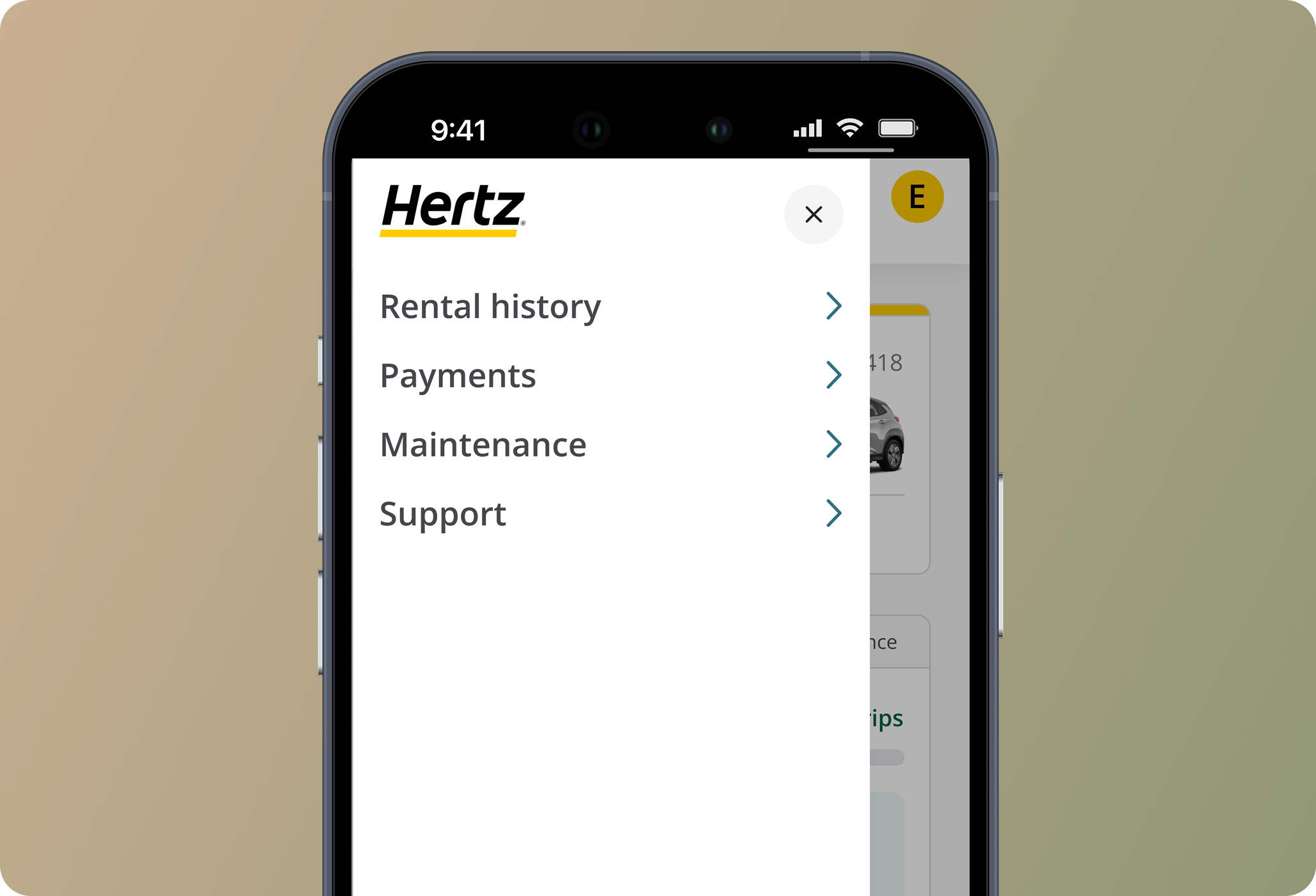
Defining top-level navigation across onboarding, scheduling, performance, and fleet
Establishing consistent UI patterns for tables, filters, and detail views
Ensuring that key information could be accessed quickly without overwhelming the user
Building out complexity
The system was intentionally developed in stages, starting with foundational views that displayed static information before moving into more complex, interactive workflows.
Early sections such as the location directory, driver directory, and onboarding tracking were used to:
Establish core UI patterns
Define data structures
Validate navigation and hierarchy
These initial areas provided a stable foundation before introducing more complex functionality.
Designing for connected workflows
Because onboarding, scheduling, performance, and fleet management were tightly linked, design decisions were made with system-level consistency in mind.
Shared components were reused across different sections
Interaction patterns were standardized to reduce learning overhead
Data relationships were surfaced in ways that supported decision-making
The goal was to create a system where managers could move between workflows without needing to relearn how the interface worked, while still supporting the complexity of the underlying operations.
Scheduling and automation
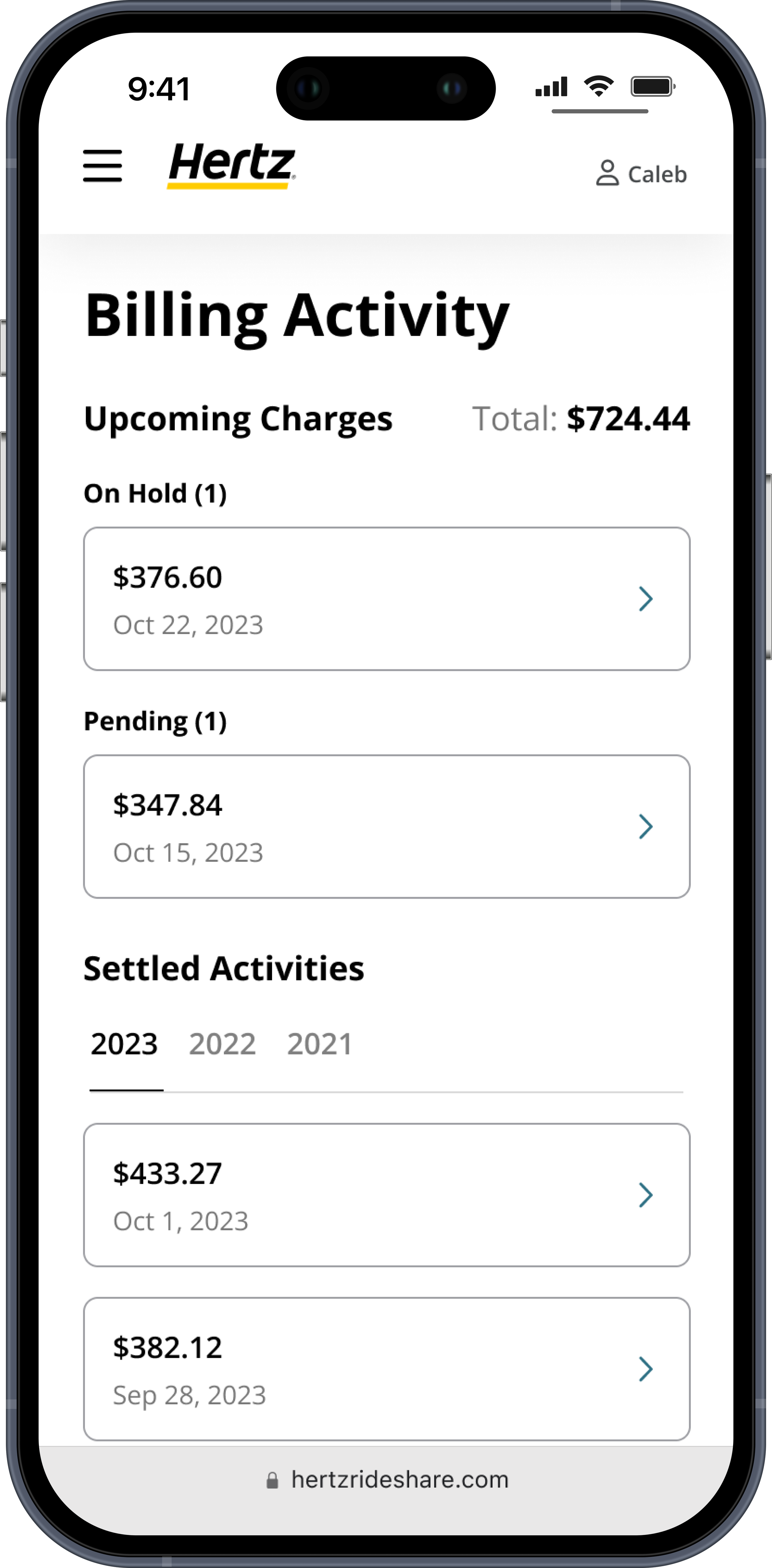
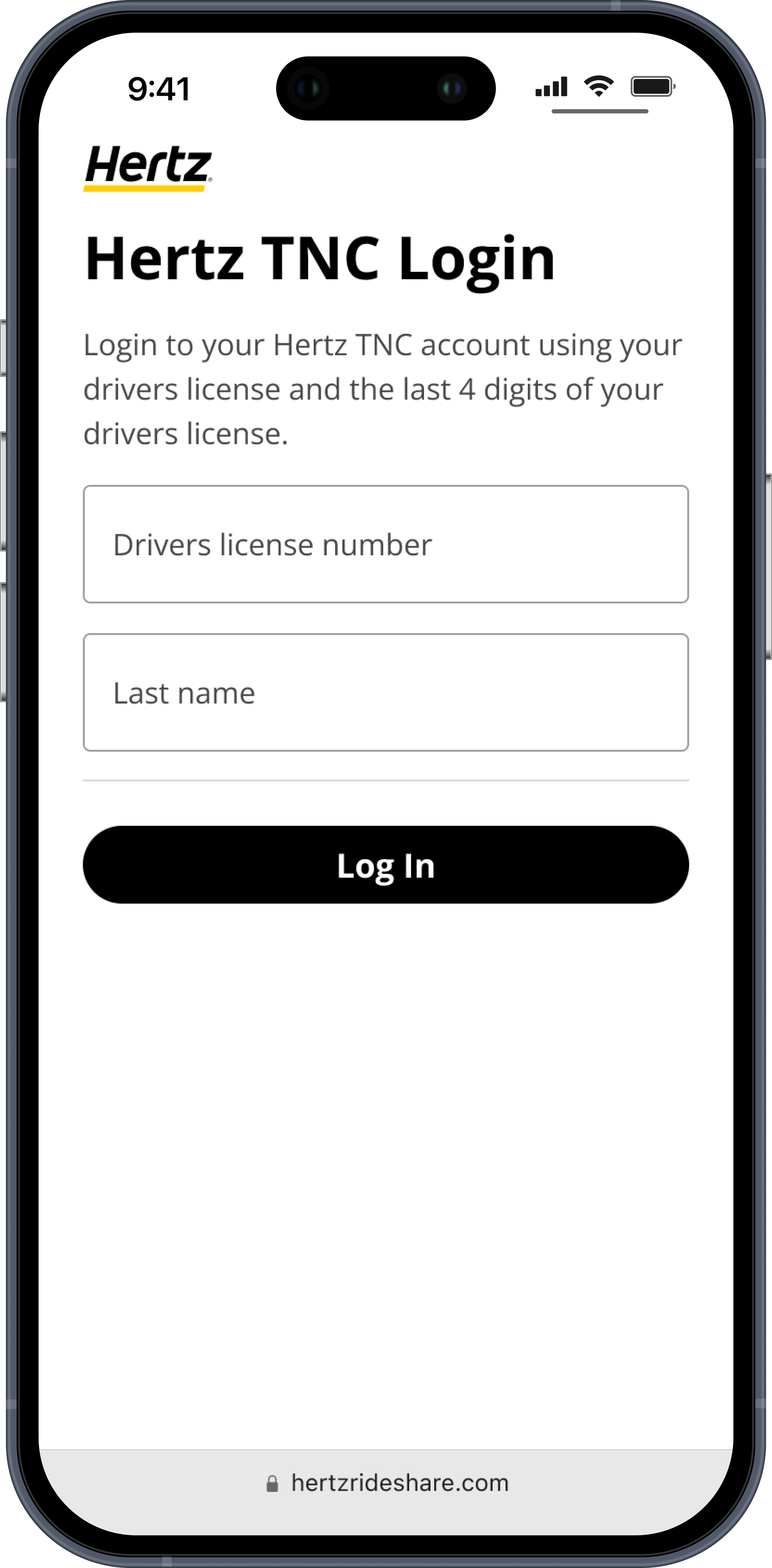
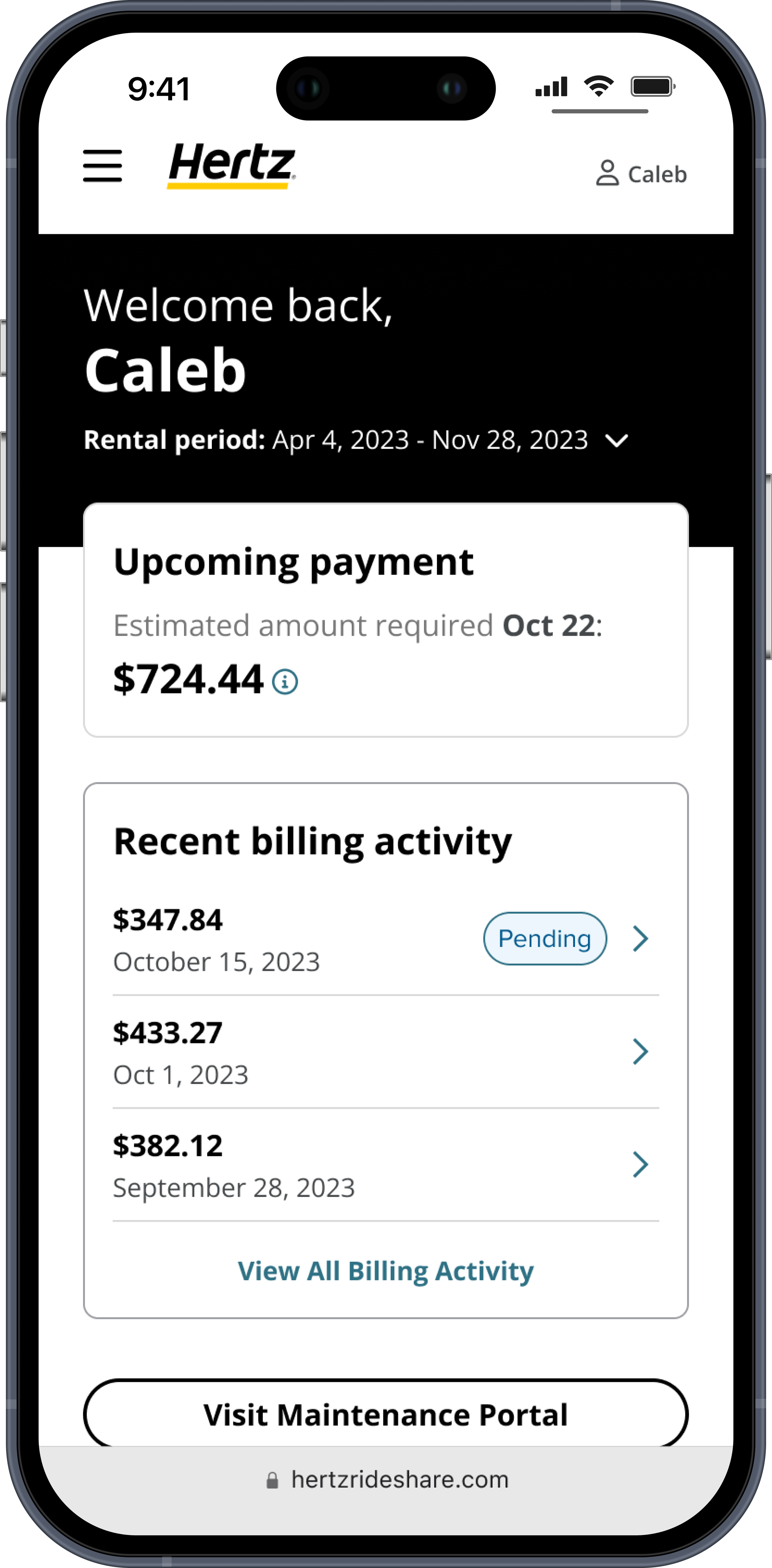
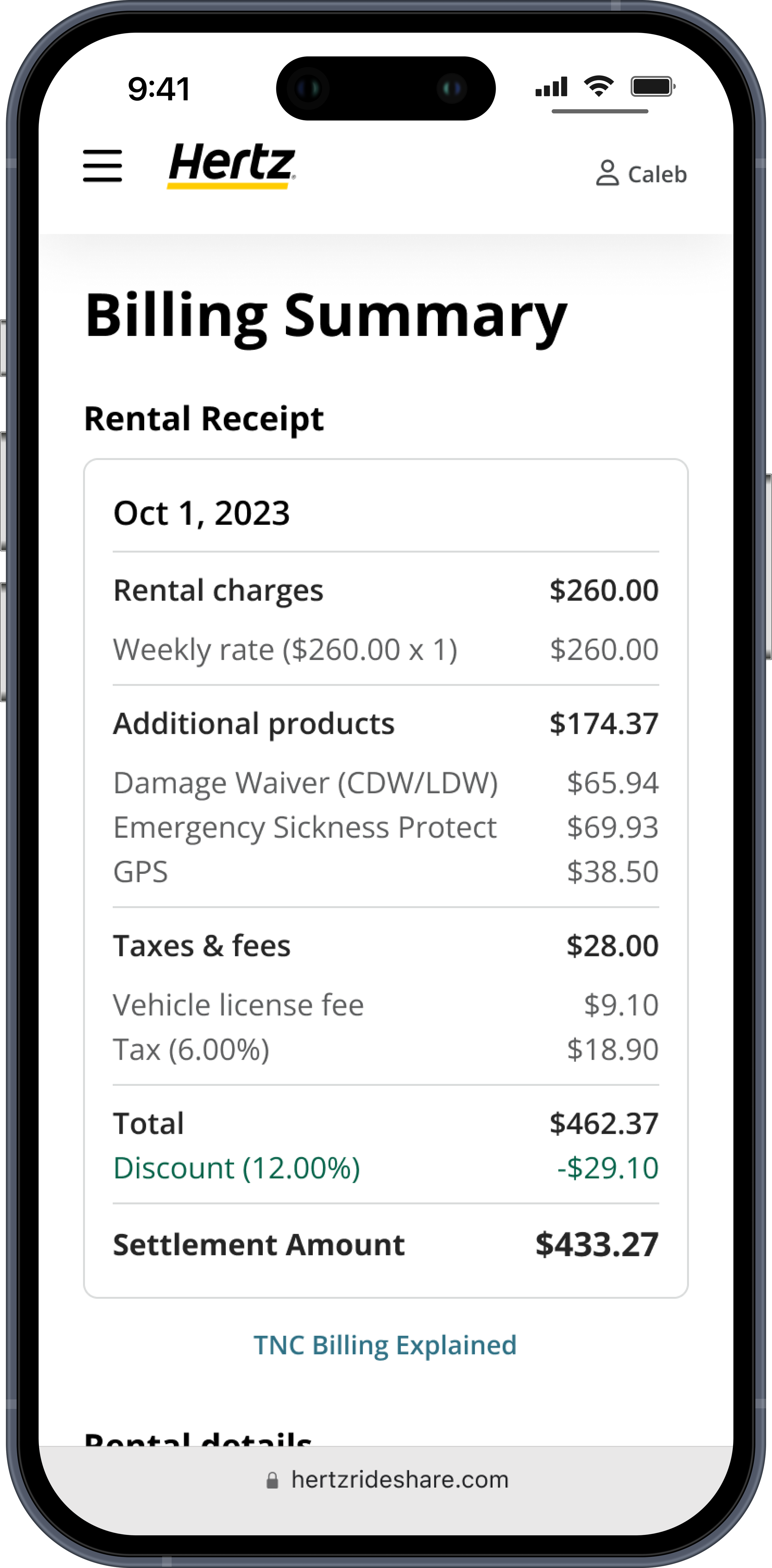
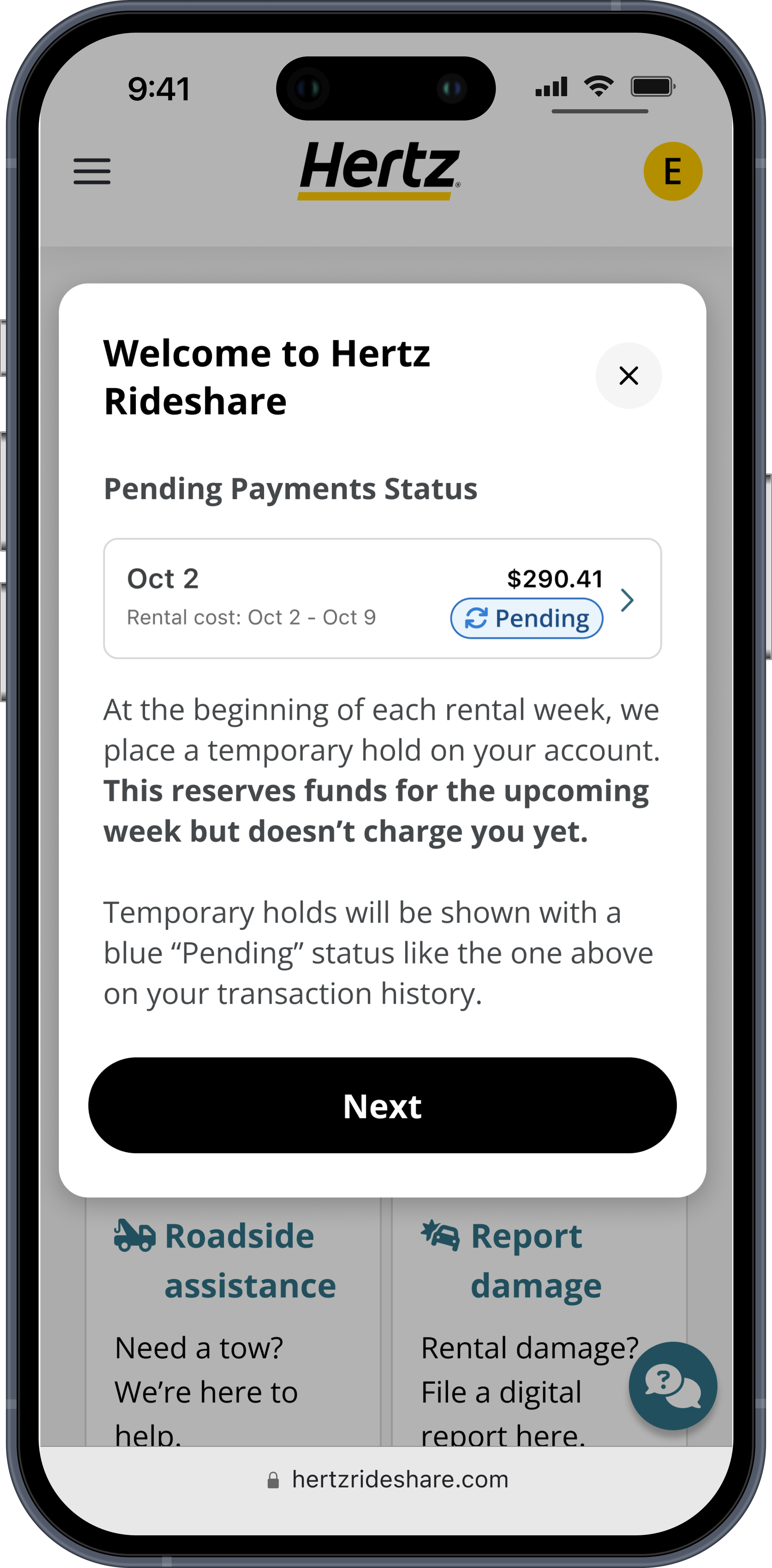
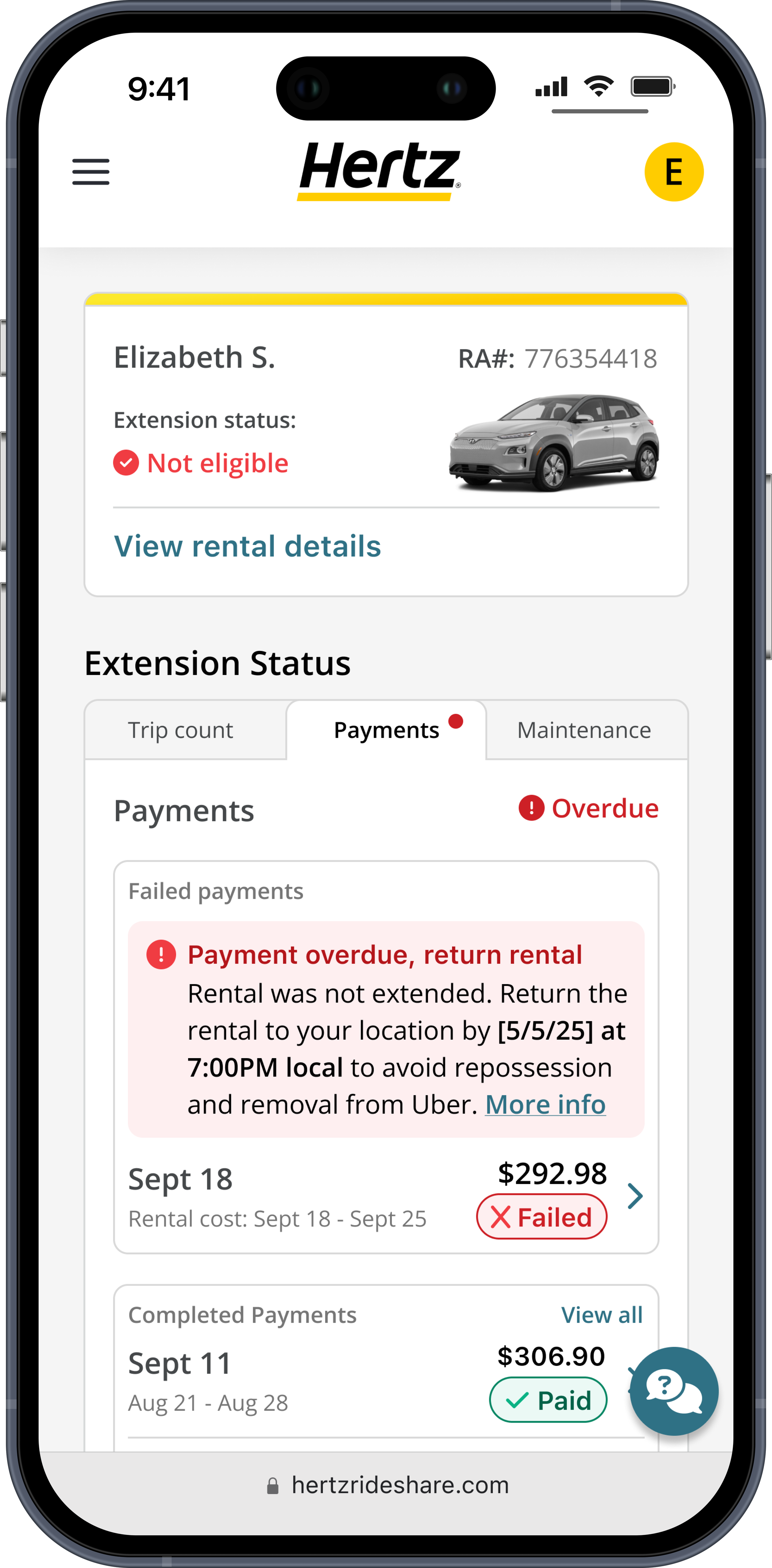
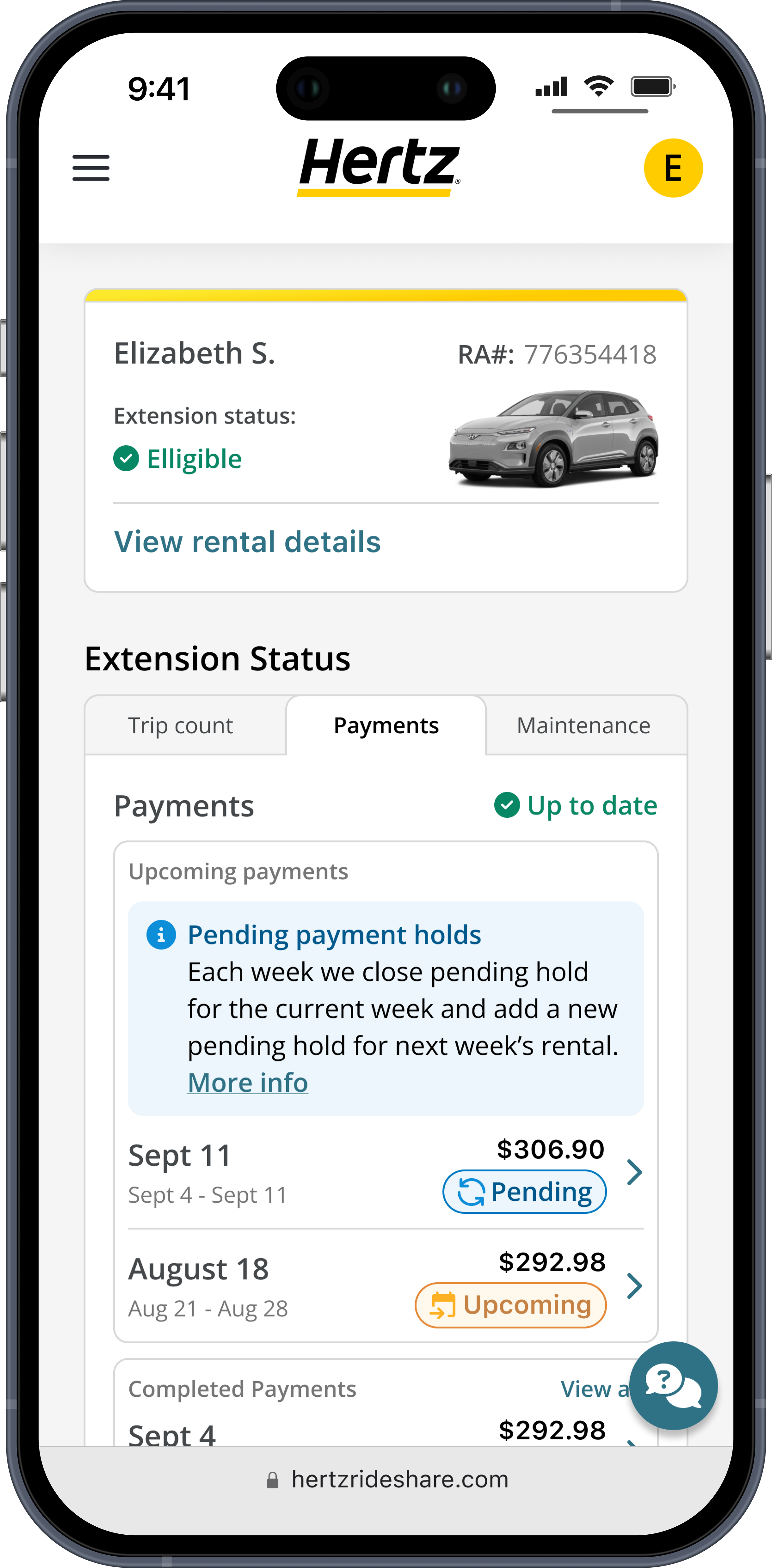
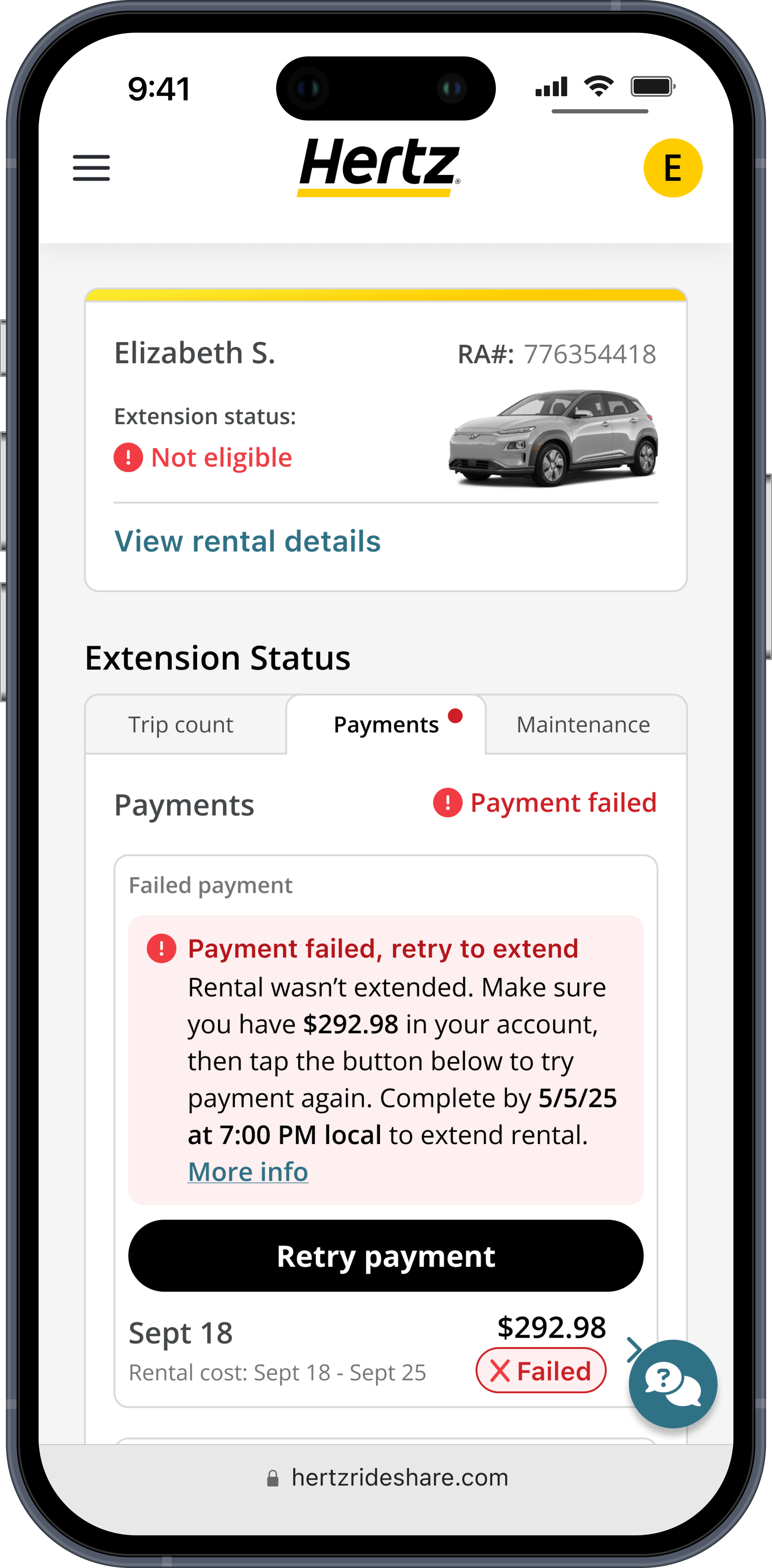
Payments received the deepest design focus due to their frequency and emotional impact.
A scheduling system was introduced to reduce manual planning.
Managers could define scheduling needs and constraints
The system generated suggested schedules based on availability and requirements
Adjustments could be made manually when needed
This reduced the time required to build schedules and improved consistency across locations.
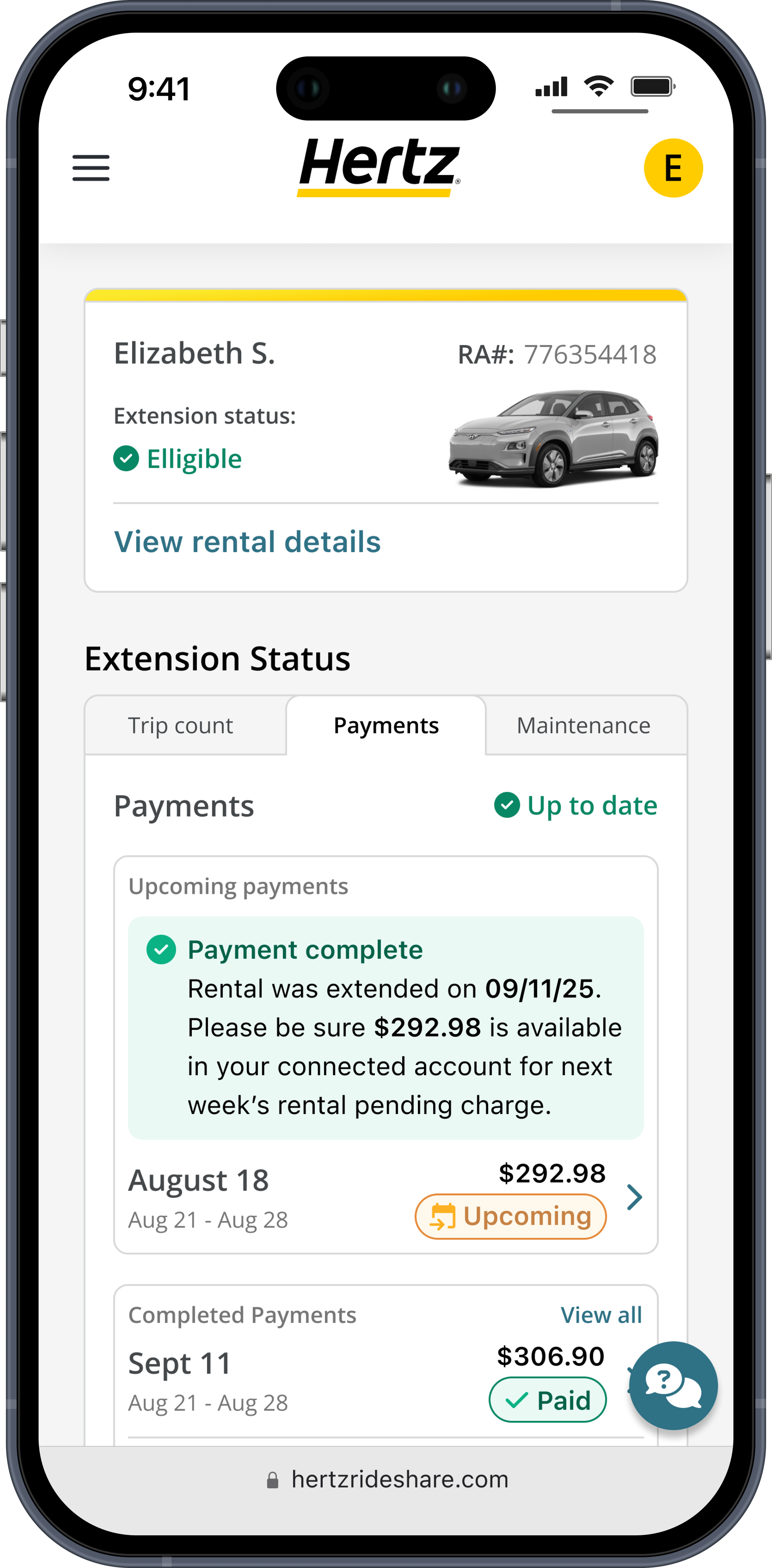
Performance visibility
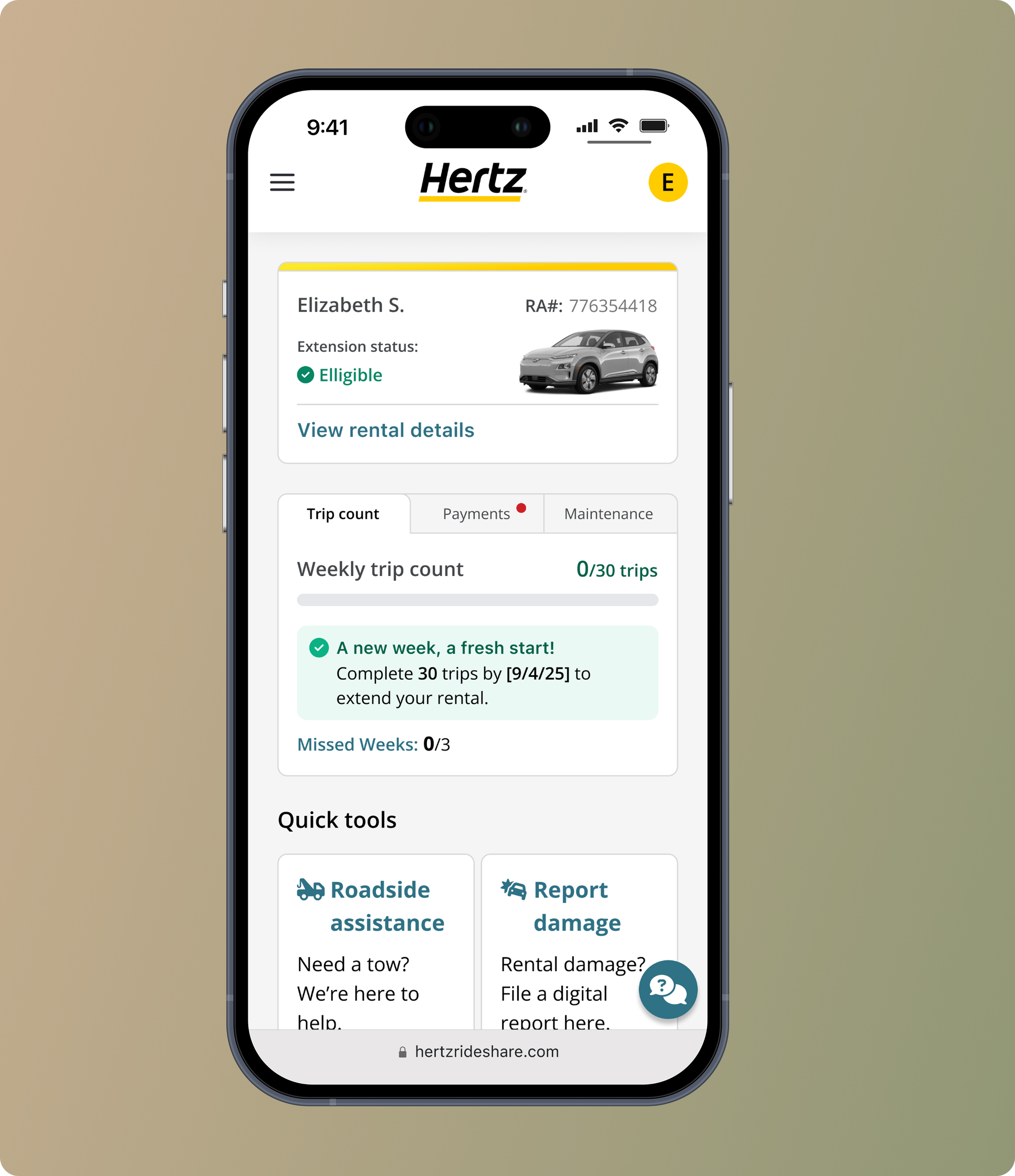
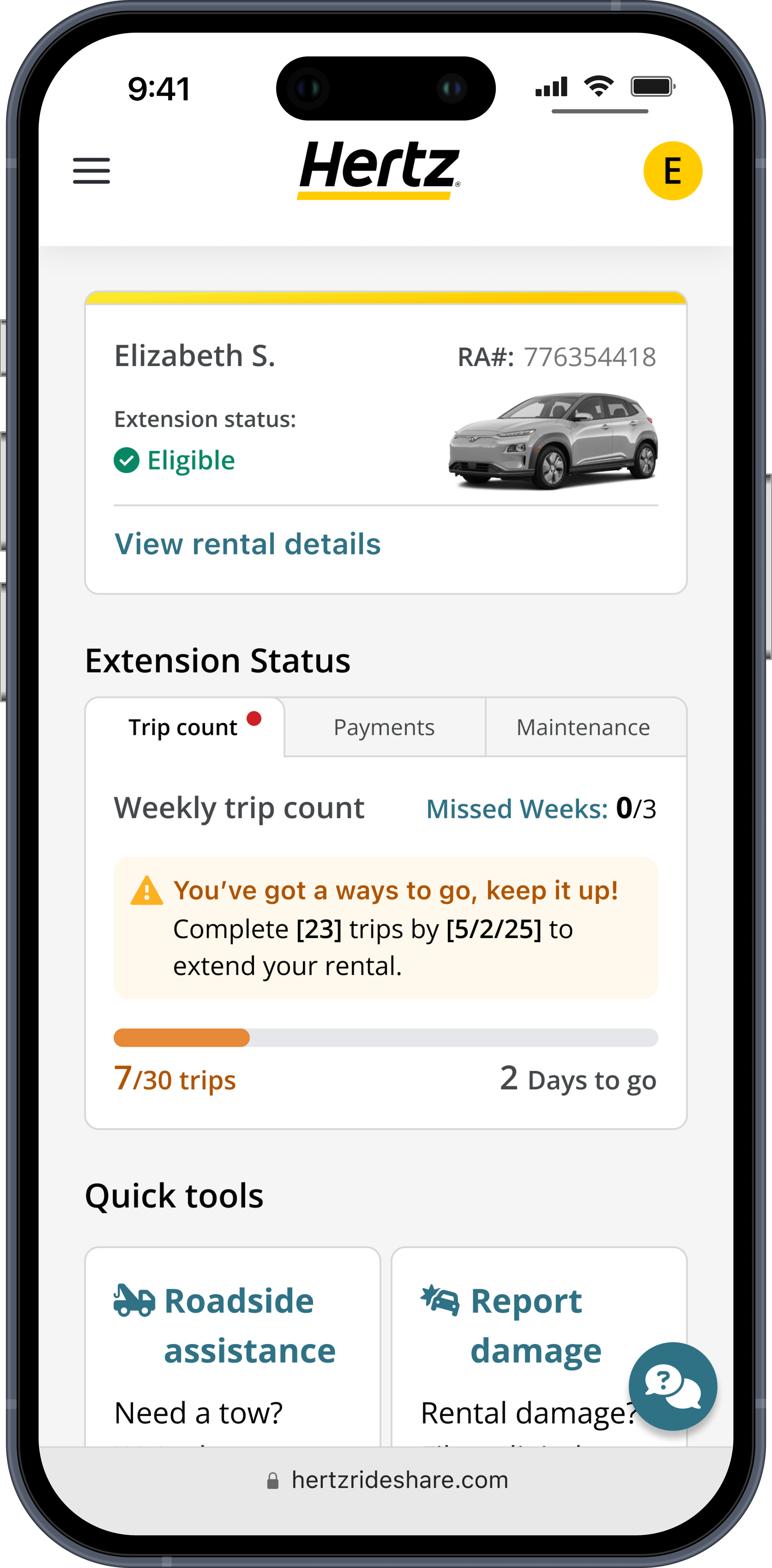
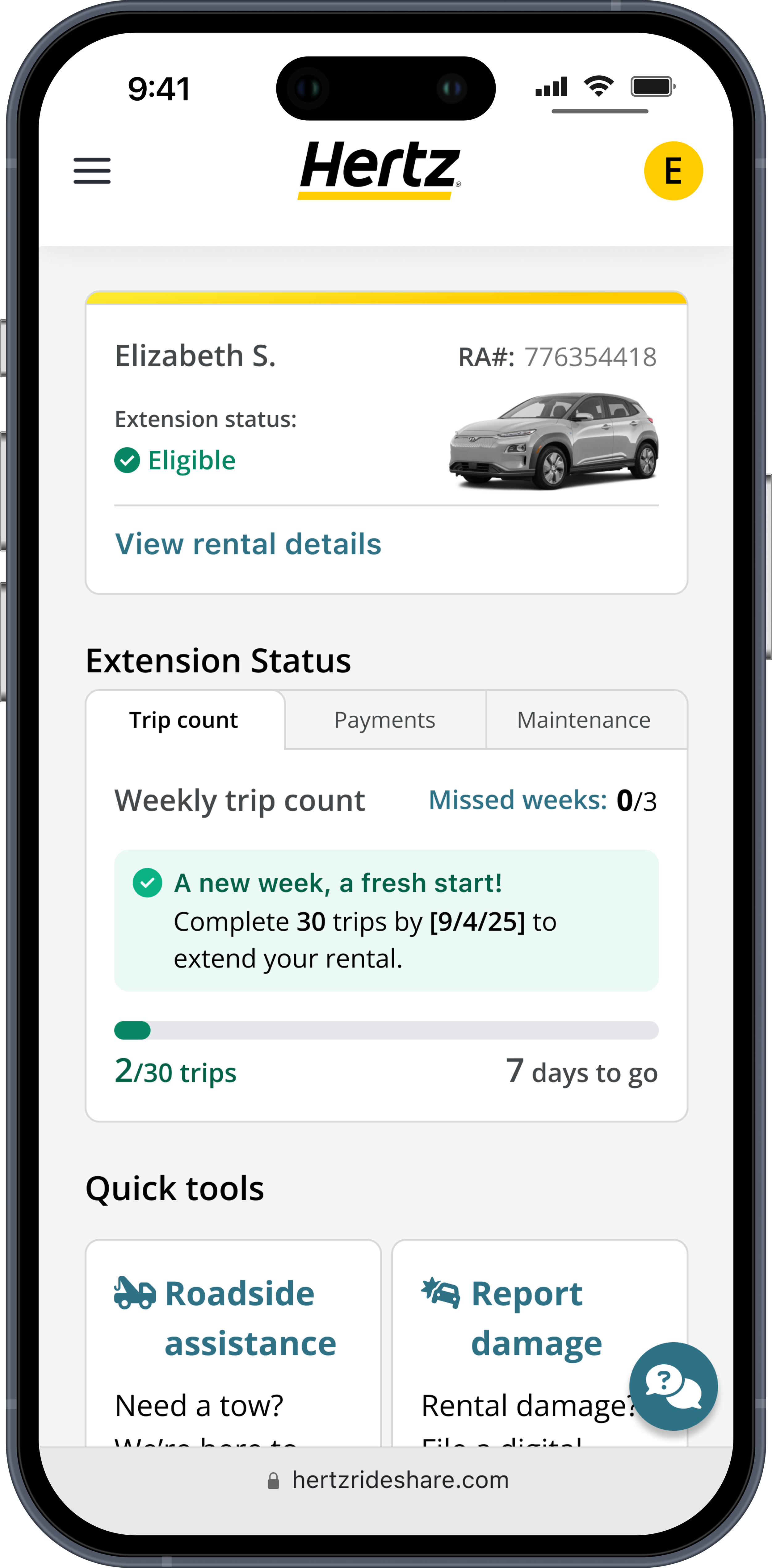
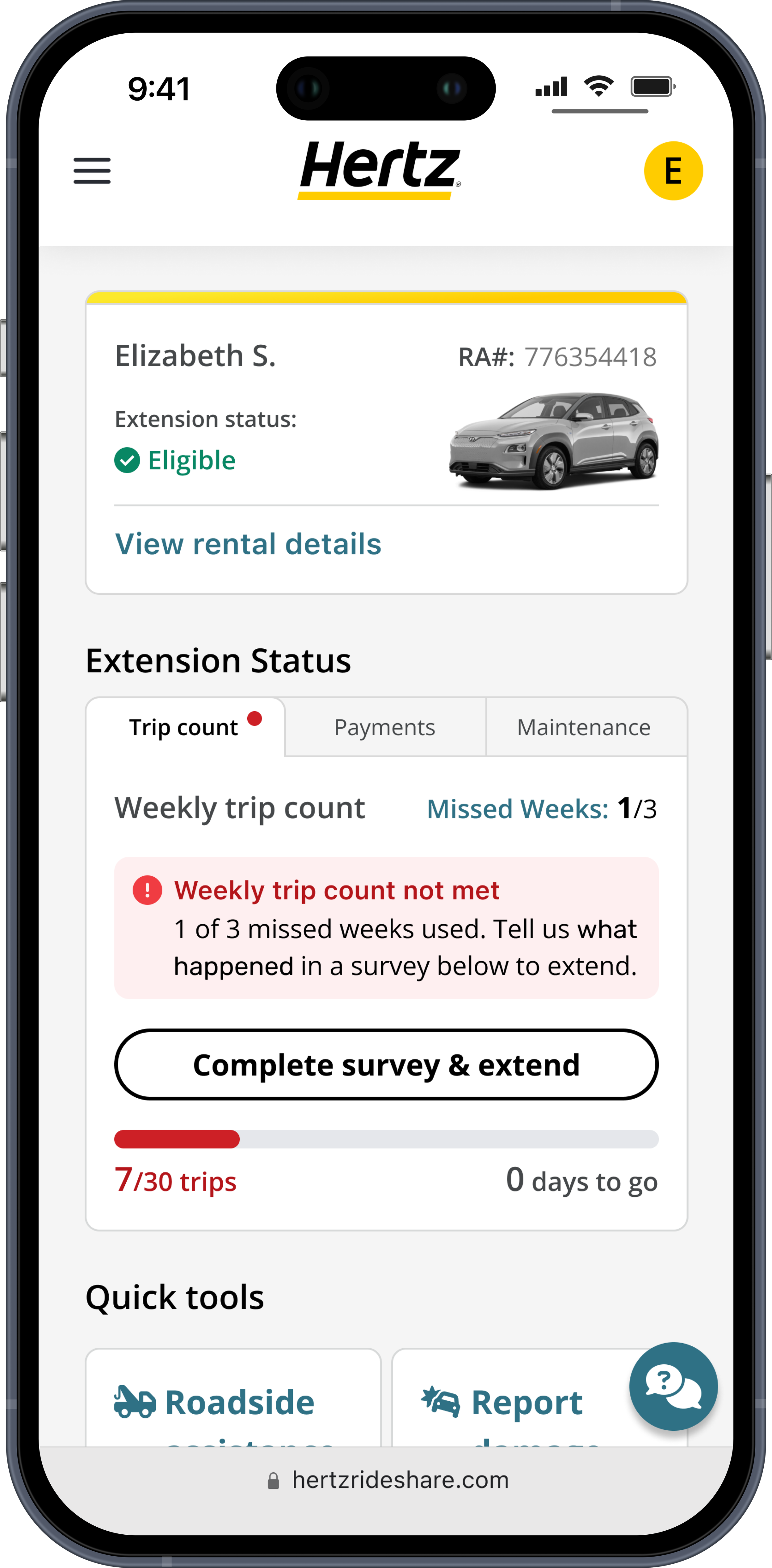
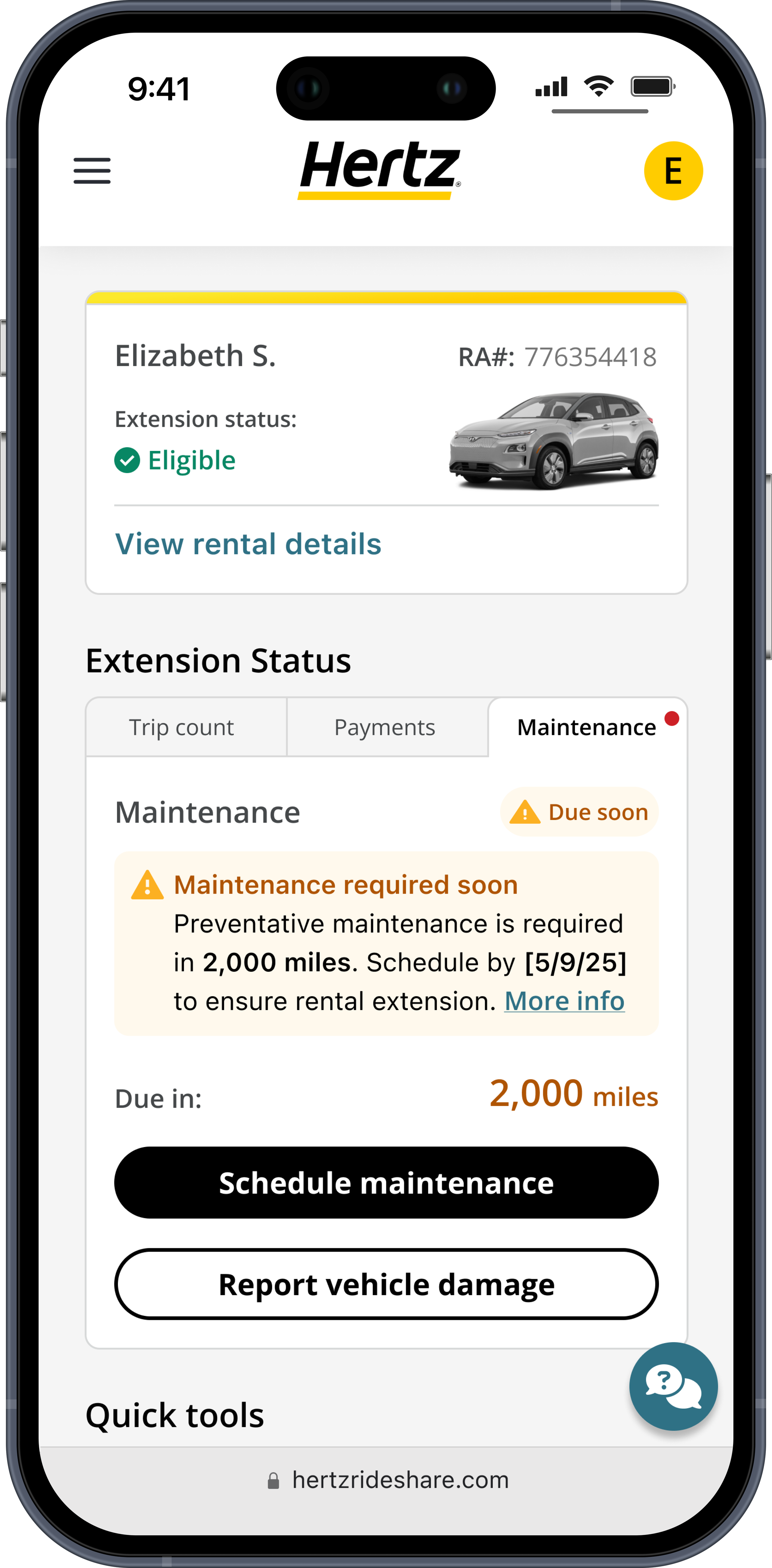
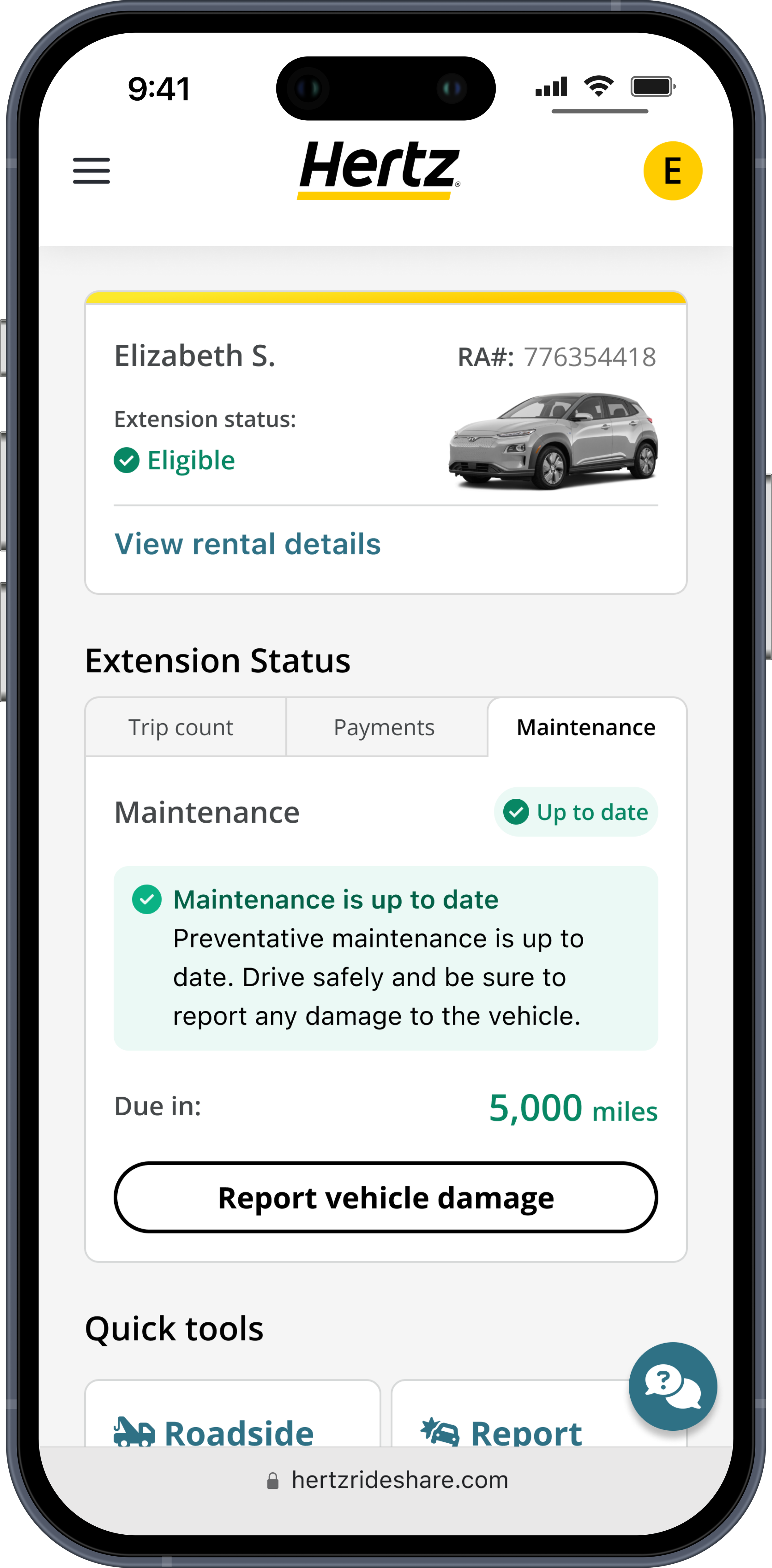
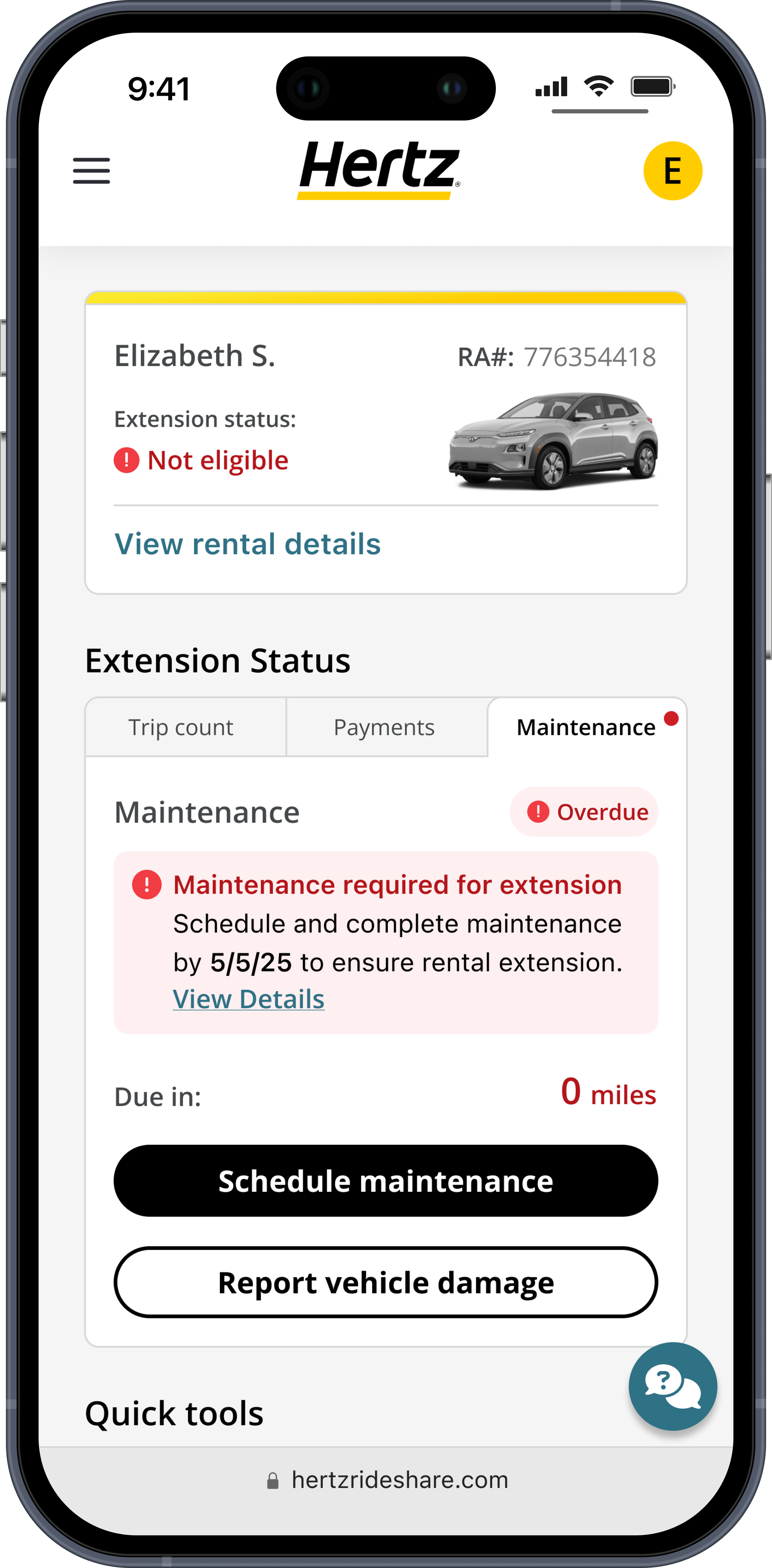
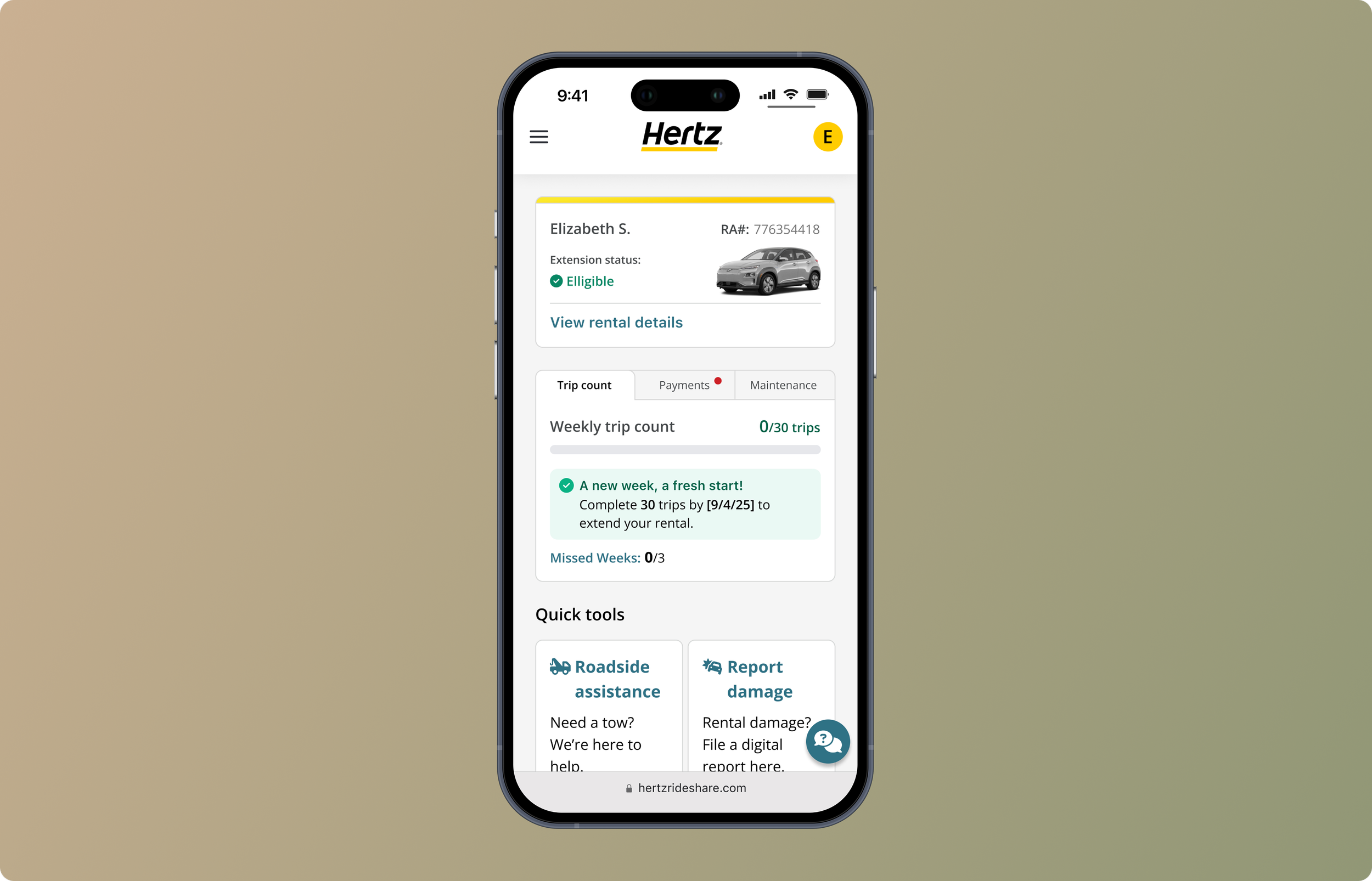
Trip count and maintenance followed the same eligibility framework while adapting urgency based on predictability.
Performance data was integrated from external systems, including:
Driving behavior and safety metrics
Ride performance indicators (e.g., ratings)
Attendance and break tracking
This allowed managers to:
Identify underperforming employees early
Take action through coaching or scheduling adjustments
Retain high-performing drivers and reduce churn
Reusable system patterns
Trip count and maintenance followed the same eligibility framework while adapting urgency based on predictability.
Given the number of features, consistent UI patterns were critical.
Shared components were used across dashboards and tables
Interaction patterns were reused to reduce learning overhead
Design decisions were made with scalability in mind
This allowed managers to:
Identify underperforming employees early
Take action through coaching or scheduling adjustments
Retain high-performing drivers and reduce churn

Day ThreeLook Forward & Wrap Up
We explore the possibilities beyond this moment, making space for growth, action, and forward momentum. As we end our time together, we honor the experience, the growth, and the connections made along the way.
Check-In9:00 – 9:30am
Group Activity11:00am
Lunch Break12:30pm
Creative Workshop2:00pm
Dinner6:30pm
What to ExpectA gentle pause from the pace of everyday life. The Reset Retreat in the Yucca Valley is designed to help you slow down, reconnect, and return to yourself—through guided experiences, restorative space, and time to simply be.
❋ Intentional StructureWe blend guided moments, open exploration, and space to reflect—so the experience feels both focused and fluid.
❋ Collaborative EnergyConnection is a core part of the process. You’ll learn just as much from the group as from the content itself.
❋ Expert FacilitationLed by experienced guides who know how to hold space, encourage participation, and keep things moving with purpose.
❋ A Supportive SpaceOur events prioritize comfort, safety, and respect—so you can show up as you are and fully engage in the process.


Reconnect with your body and mind as you escape the noise of everyday life.
Day TwoSet Intentions & Reflect
Together, we pause to consider our goals, hopes, and direction. This is about aligning with ourselves and with the journey ahead. This is a chance to reconnect with what brought you here—your questions, your hopes, your turning points—and consider how they’ve shifted or deepened.
Check-In9:00 – 9:30am
Group Activity11:00am
Lunch Break12:30pm
Creative Workshop2:00pm
Dinner6:30pm
How It Works-
Browse our upcoming events to find the one that feels right for you. We host events year-round in all different locations and climates.
-
Sign up and pay all required fees to reserve your spot. If plans change, you can cancel up to 14 days before the retreat start to receive a 50% refund.
-
After booking, we'll send you a Welcome Packet with everything you need to know—detailed schedules, packing list recommendations, add-ons to consider, and more.
-
We'd recommend booking your transportation to and from the event as soon as possible, to ensure you can arrive without any complications or delays.
-
Now all that's left to do is pack your bags and get excited for your new adventure.